On a commercial property, a tree is both an asset and a liability. It shades the parking lot and lifts the appraisal. It also drops limbs on cars, lifts sidewalks and blocks the sign your tenants pay for.
We manage both sides of that. Our crews trim on a cycle so the trees stay safe, and we take out the ones that cannot be saved.
Structural trimming and thinning
We remove dead wood, crossing limbs and weak attachments first. Those are the branches that fail in a storm.
Thinning lets wind pass through the canopy instead of pushing against it. A properly thinned tree is far less likely to come down in a summer squall.
We do not top trees. Topping forces weak regrowth and shortens the life of the tree, and it is not accepted arboricultural practice.
Palm care
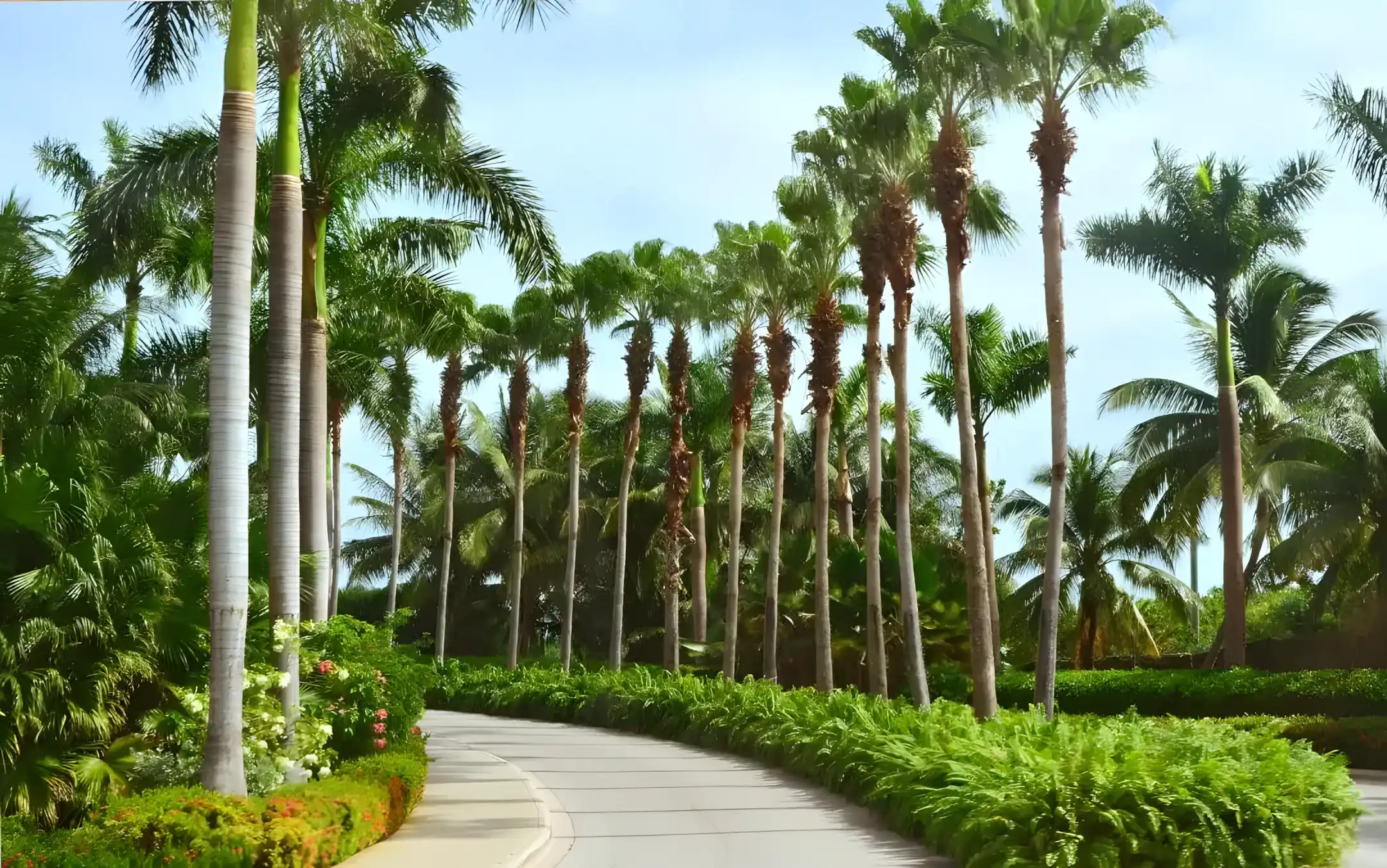
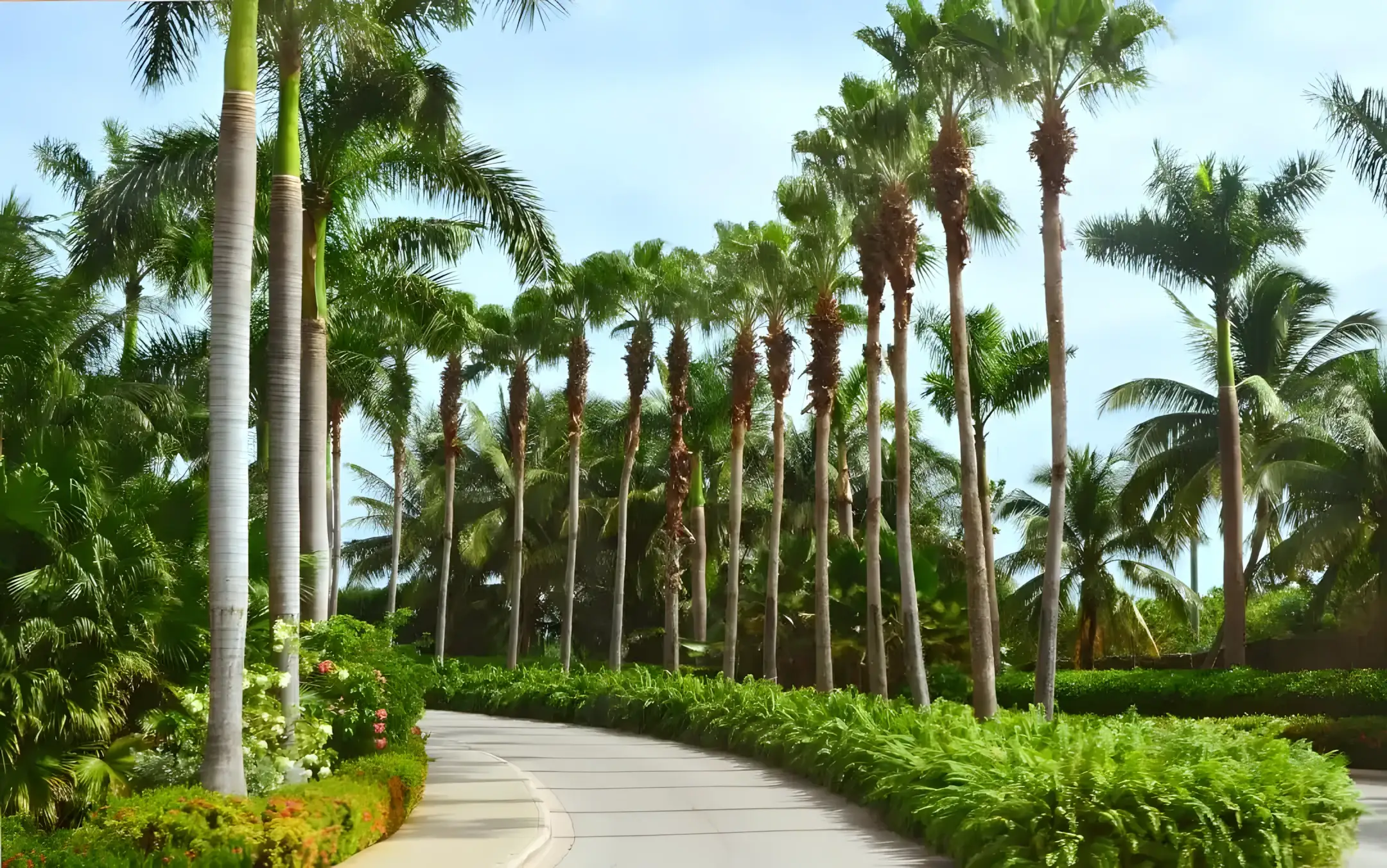
Palms need a different approach than hardwoods. We remove dead fronds and seed pods and leave the green fronds that feed the tree.
Over-pruned palms, cut back to a narrow tuft, are weaker and slower to recover. We do not cut that way, even when asked.

Removal and stump grinding
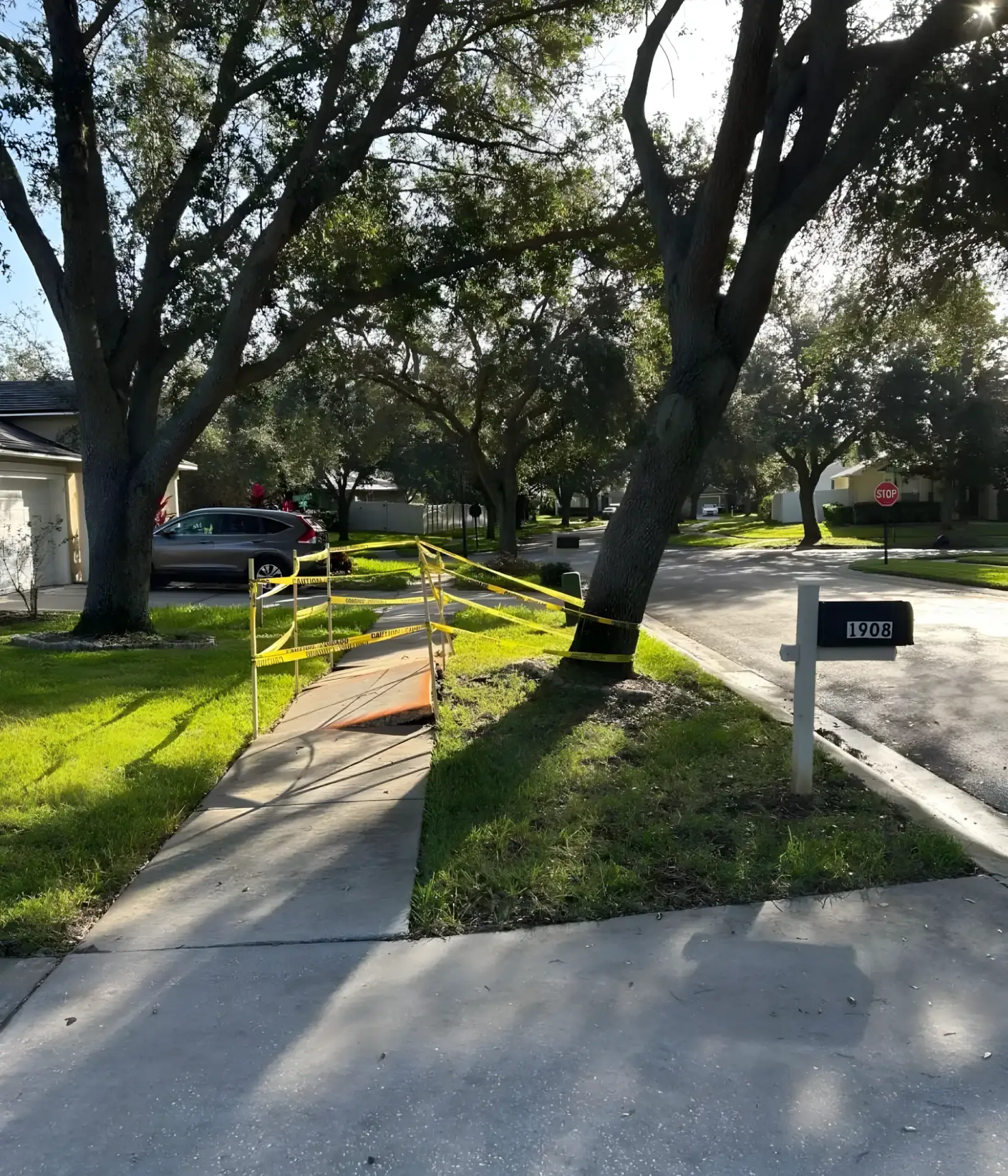
Some trees have to come out. Root damage under a sidewalk, a trunk leaning over a building, disease that has already taken the crown.
We take the tree down in sections when there is no room to drop it, grind the stump below grade, and fill and sod the hole if you want the area back in turf.
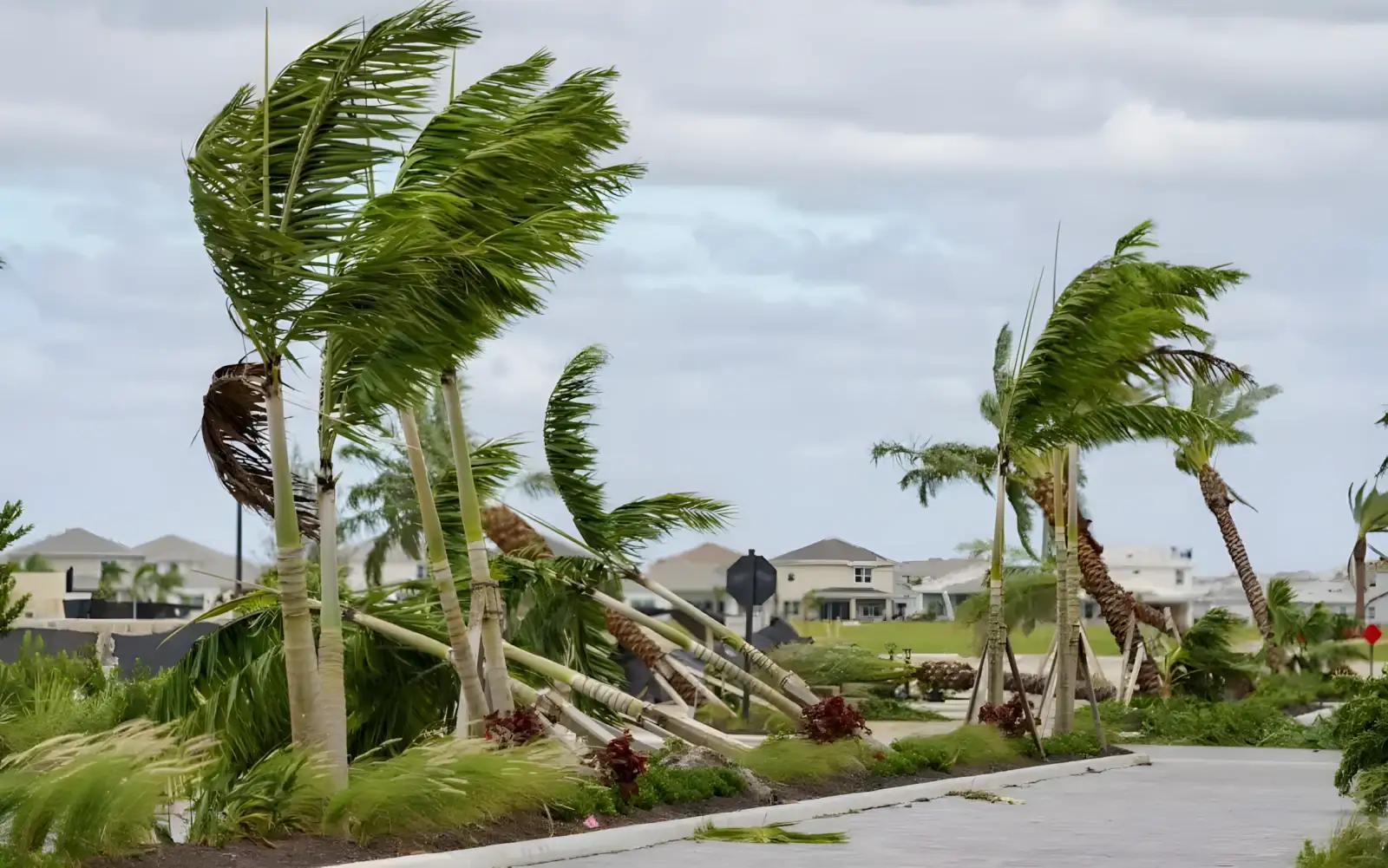
Storm damage and hurricane preparation
Before the season, we walk the property and quote the work that reduces risk: dead wood removal, canopy thinning and limbs cleared from roofs and power drops.
After a storm, we clear access first so the property can open, then handle the rest of the debris.
Expert tip
From the crew
We do not top trees. Topping forces weak regrowth and shortens the life of the tree. Thinning lets wind pass through the canopy instead of pushing against it, which is what keeps a commercial oak standing in a summer squall.
— Tampa Turf Services field team
How the tree work is scheduled
| Task | When |
|---|---|
| Structural trimming and thinning | On a cycle, set when we walk the site |
| Palm care | Dead fronds and seed pods, green fronds left on |
| Removal and stump grinding | When the tree cannot be saved |
| Storm preparation | Before hurricane season |
| Storm cleanup | Access first, then remaining debris |
| Debris haul-off | Included unless you ask us to leave mulch |
Routine pruning stays on the commercial landscape maintenance schedule. Storm trimming is laid out in how to prepare a Tampa landscape for hurricane season. Mature oaks in Bloomingdale and palms in St. Petersburg are two of the routes where this is the main call.
Helpful resources
More from the field
Ready to get started?
- Licensed & insured
- Serving Tampa Bay since 1984
- One project manager, direct contact