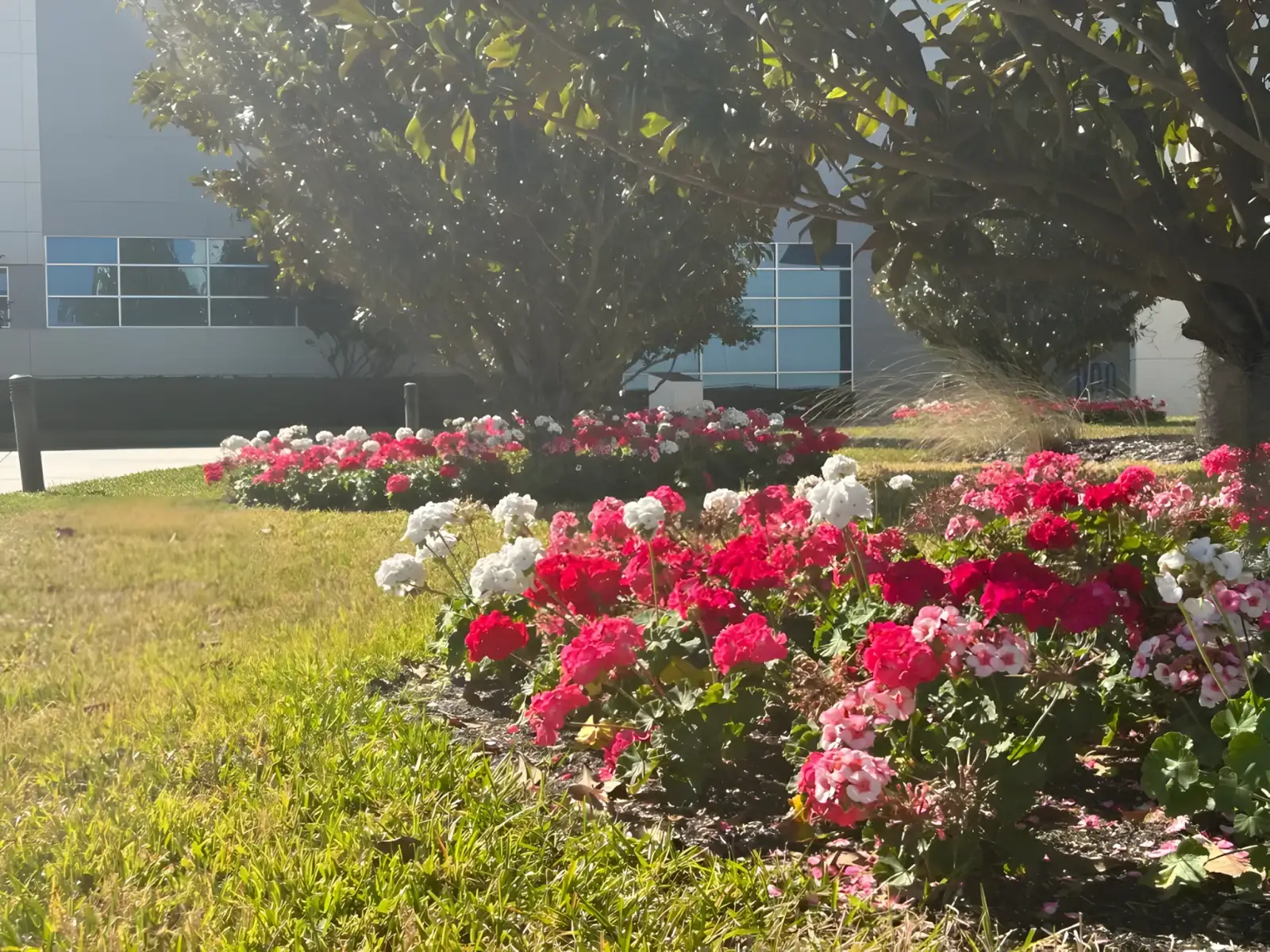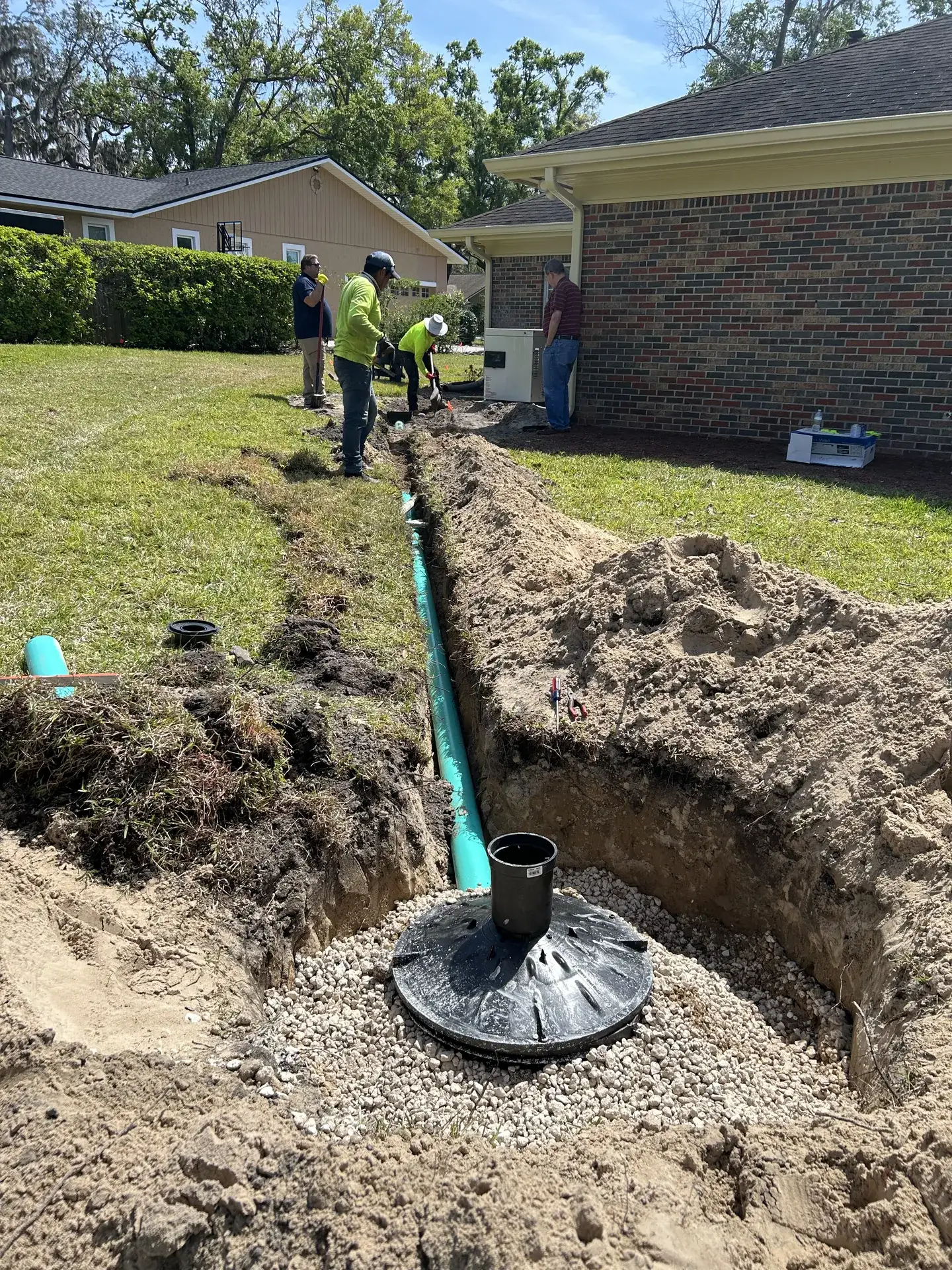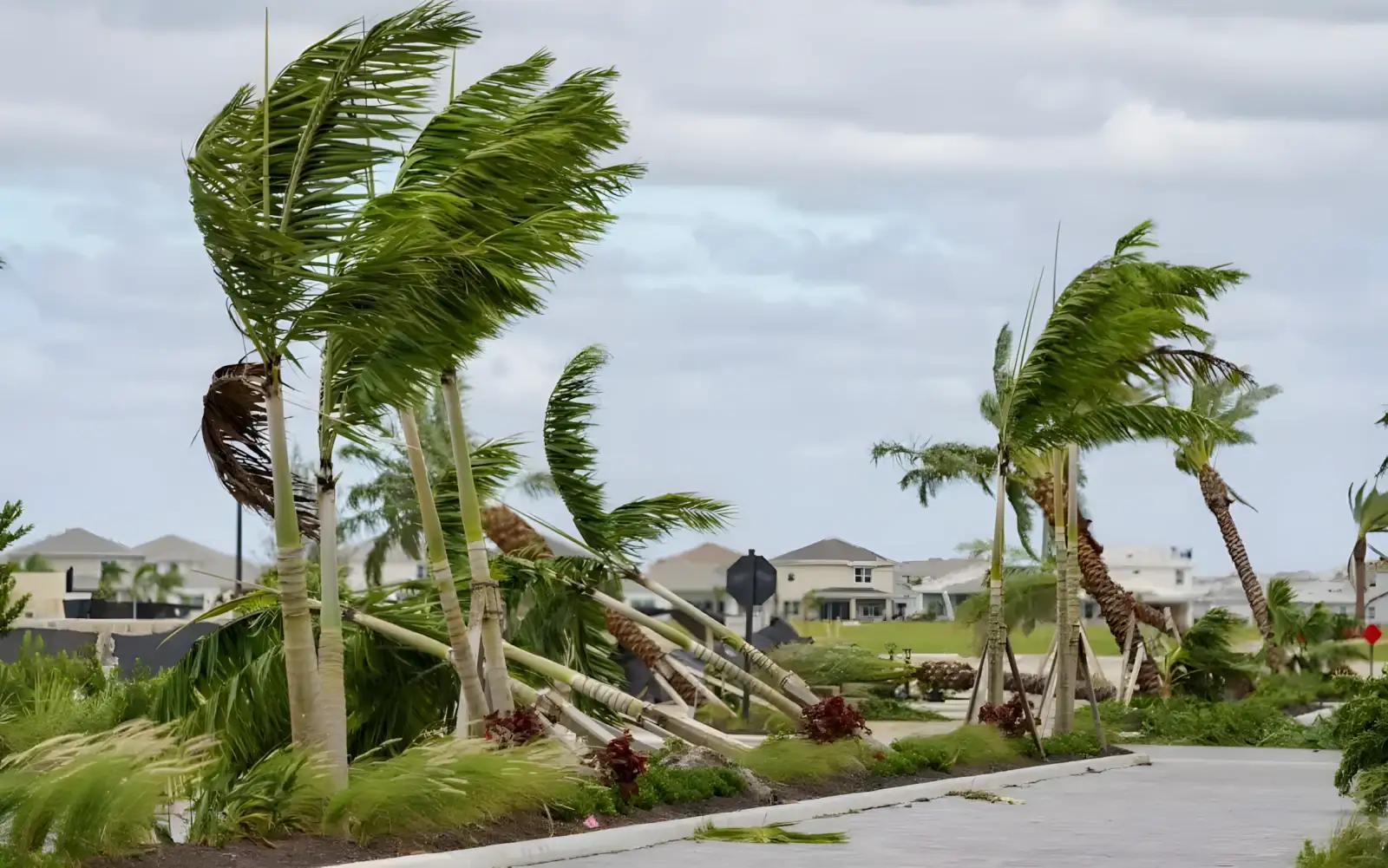

An HOA landscape contract is usually the largest line in the budget after insurance and reserves. It is also the one residents comment on most, because it is the part of the community everyone sees every day.
Boards change, and so do priorities. The contractor decision often gets made in one meeting, on three bids, by people comparing a number at the bottom of a page. Here is what to look at instead.
The lowest bid is usually the least specific bid
Three bids for “landscape maintenance” are not comparable unless all three describe the same work. They almost never do.
Ask every bidder to price the same written scope, and make that scope specific:
- Mowing frequency by season, not “as needed”
- Whether edging is every visit or every other visit
- How often shrubs and hedges are pruned, and to what shape
- How many mulch applications per year, and to what depth
- Whether fertilization and weed control are included or extra
- Whether irrigation inspection is included, and what happens when a repair is found
- What is included after a named storm and what is billed separately
A bid that comes in well under the others normally does it by leaving something out. Usually it is bed detail, mulch depth, or irrigation. All three become visible about four months in, when the beds look untidy and the board starts getting emails.
Insurance limits, and who they name
This is the item boards skip and the one that matters most if something goes wrong.
Ask for a certificate of insurance before signing, not after. Check general liability limits against what your community documents and your own insurer require. Confirm workers compensation coverage, because if a crew member is injured on your common area and the contractor has no coverage, the claim can reach the association.
Check that the certificate names the association as an additional insured, and make sure the contractor sends a fresh certificate at renewal rather than letting it lapse quietly.
Crew consistency beats crew size
Ask a direct question: will the same crew service this community each visit?
A crew that returns to the same property learns it. They know where the irrigation valves are, which bed floods and which resident has a dog that gets out. They also know which corner the trucks cannot turn in. A rotating crew relearns none of that. It reports nothing, because it has no baseline to compare against.
This is also why the cheapest large operators are cheap. High-volume routing means whoever is available that day.
One named contact, not a dispatch line
Boards run on volunteer time. If reaching your contractor means a call center and a ticket number, that time gets spent on chasing rather than governing.
Ask who the account manager is, whether they walk the property themselves, and how quickly they respond. Ask for their direct number. If the answer is a general office line, expect to explain your community from scratch every time.
Ask what they will tell you before it breaks
Good grounds maintenance includes reporting. A contractor on your property every week sees the failing irrigation valve, the limb over the walkway and the swale that has silted up. Whether they mention it is the difference between a maintenance cost and a repair bill.
Ask what reporting you get and how often. For most communities a short written summary each month, plus a photograph of anything that needs a decision, is enough. Ask to see an example from another community.
The transition matters more than people expect
If you are changing contractor, ask the incoming company to walk the property and give you a written list of the condition they are inheriting, before they start.
This protects both sides. The board learns what has been neglected, and the new contractor does not take the blame for problems that predate it. The assessment also prices the catch-up work honestly, instead of hiding it in the first year.
Watch the annual increase clause
A three-year contract with an unspecified annual increase is not a three-year price. Ask for the increase to be capped or tied to a published index, and ask what triggers a scope change.
Also confirm what happens when a section of the community is replanted or a new phase is handed over. Adding acreage mid-contract should have an agreed rate, not a negotiation.
Questions worth asking in the meeting
- How long have you worked in Tampa Bay, and can we speak to two HOA boards you currently serve?
- Are you licensed and insured, and can we see the certificate today?
- Will the same crew and the same manager service this community?
- What is included after a hurricane, and what is billed?
- What will you tell us about the property that we have not asked about?
- How do you handle irrigation faults found during a visit?
- What does your monthly reporting look like?
The answers to these separate contractors far more reliably than the number at the bottom of the bid.
We are happy to be asked
Tampa Turf Services has maintained commercial and community grounds across Tampa Bay since 1984. We carry the insurance large HOA agreements require, we assign one project manager to each property, and we send a fresh certificate to your management company at renewal.
If your board is going to tender, call the office. We will walk the community and give you a written scope you can put in front of every bidder, whether or not that includes us.
Want this handled for you?
Tampa Turf Services has worked on commercial and residential properties across Tampa Bay since 1984. Call (813) 997-2537 or send a message.